Henrik Vogel · 21 October 2026
Night Markets in Paleno Highlight Shifts in Vendor Traditions and Sustainability Efforts
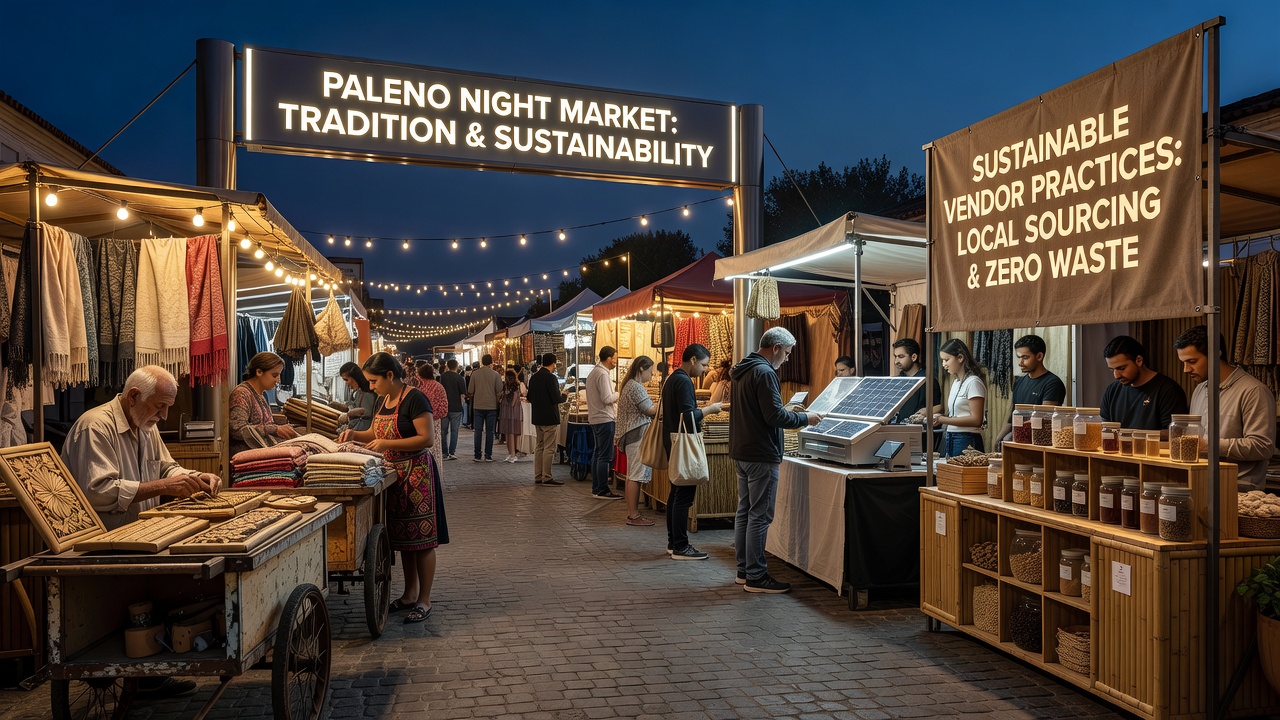
Paleno's night markets operate as central gathering points where residents and visitors explore local goods under evening lights, and these venues have evolved through documented adjustments in how vendors source materials and manage operations. Data from regional tourism records shows attendance figures rising steadily over recent years, with markets in central districts drawing crowds that support hundreds of small-scale sellers each weekend. Observers note that core elements like family-run food stalls and handmade crafts persist, yet many participants now integrate updated methods that address waste reduction and resource efficiency. Vendors historically relied on single-use plastics and imported ingredients transported over long distances, practices that aligned with earlier supply patterns in the region. Recent records indicate a transition toward reusable containers and partnerships with nearby farms, changes tracked through local business registries that list over 150 active stalls across Paleno's main market zones. These adjustments coincide with broader regional efforts to lower environmental impacts, and figures from municipal reports reveal measurable decreases in landfill contributions from market activities between 2023 and 2025.Traditional Vendor Practices Meet Updated Methods
Family lineages have shaped Paleno night markets for generations, passing down recipes for regional specialties and techniques for crafting goods like woven textiles or preserved foods. Many stalls continue these approaches while incorporating elements such as biodegradable packaging sourced from certified suppliers. Studies compiled by the European Commission's environmental monitoring programs document similar patterns in Mediterranean markets, where tradition combines with efficiency measures to maintain cultural continuity.
Vendors report sourcing a higher percentage of ingredients from within 50 kilometers, a shift supported by agricultural cooperatives that coordinate seasonal deliveries. This reduces transport emissions and aligns with data compiled by Australian government sustainability initiatives on localized supply chains. In October 2026, several Paleno markets plan to launch pilot programs for shared composting stations, building on existing collection points that already process organic waste from food vendors.Sustainability Efforts Take Hold Across Market Operations
Market organizers have introduced guidelines that encourage solar-powered lighting at stalls and electric vehicle charging for delivery carts, measures detailed in city planning documents from 2024 onward. These steps address energy use during peak evening hours when crowds fill the streets. Researchers from the University of British Columbia have examined comparable urban markets and found that such infrastructure changes correlate with lower overall carbon outputs per event.
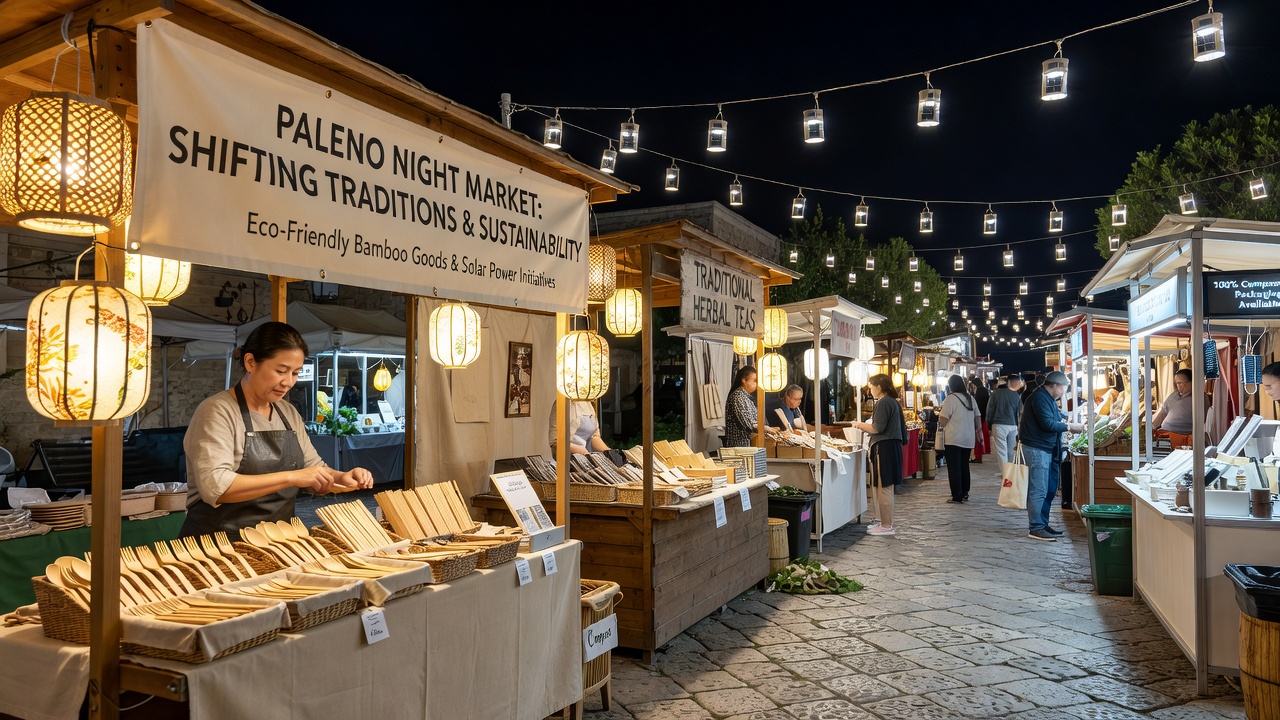 Digital payment systems now appear at most stalls, replacing cash-only transactions and cutting down on paper receipts. This update reflects patterns observed in industry reports that track technology adoption among small vendors. Waste sorting stations placed throughout market areas separate recyclables from compostables, and municipal audits confirm compliance rates above 80 percent among participating sellers.
Community Involvement and Long-Term Tracking
Local groups coordinate workshops where vendors learn about material alternatives, such as plant-based wraps instead of plastic films. Participation numbers have grown, according to attendance logs kept by the Paleno Chamber of Commerce. These sessions draw on findings from academic papers that analyze vendor networks in European and North American cities, highlighting how collective training supports consistent implementation. Data collection efforts include annual surveys that measure shifts in packaging use and sourcing distances. Results published in 2025 showed a 25 percent reduction in single-use items compared to baseline figures from 2021. And while challenges remain around cost barriers for smaller operations, many vendors have accessed grants through regional environmental funds to offset initial expenses.
Conclusion
Night markets in Paleno continue to function as economic and social hubs, and the documented transitions in vendor traditions reflect responses to available resources and regulatory frameworks. Sustainability measures, from localized sourcing to waste management systems, appear integrated into daily operations based on available records. Future developments scheduled for October 2026 will provide additional data points for assessing long-term outcomes in these community spaces.